

Autism Holiday Toolkit: A Practical Guide for Families
The holiday season brings joy, connection, and excitement. Yet for many families of children with autism, it can also bring stress, sensory overwhelm, and disrupted routines. That’s why having a clear, practical autism holiday toolkit can make all the difference. When you prepare early and use the right strategies, the season becomes more peaceful, more predictable, and far more enjoyable for your child—and for you.
This guide breaks down the top tools, tips, and techniques to help your family navigate the holidays with confidence. You’ll learn how to plan ahead, manage sensory challenges, communicate expectations, and support your child in ways that reduce anxiety while building positive memories. Plus, you’ll gain access to resources that help you find the compassionate ABA therapy support your child deserves.
Why the Holidays Can Be Challenging for Children With Autism
The holidays often bring sudden changes—new environments, unfamiliar people, loud celebrations, bright decorations, and unpredictable schedules. Even though these moments can be magical, they can also feel overwhelming. Children with autism often thrive with structure, clarity, and routine. When routines shift, stress can rise.
However, with the right autism holiday toolkit, you can create a season that feels safer and more supportive. A few strategic adjustments can transform overwhelming experiences into meaningful ones.
Tip: Download our Holiday Toolkit Family Checklist for a quick, parent-friendly guide to keep the season smooth and stress-free.
Start With a Predictable Holiday Plan
Predictability reduces anxiety. When children with autism know what to expect, they feel more in control and more prepared.
Build a Holiday Visual Schedule:
A visual schedule outlines each activity for the day or week. Include:
- Decorating the house
- Visiting relatives
- Gift opening
- School breaks
- Travel plans
- Community events
Use icons, pictures, or simple drawings. Place the schedule where your child can reference it often. When changes occur, update it together so nothing feels sudden.
Practice New Experiences Early:
If you’ll be attending a holiday event, show pictures or videos of the environment ahead of time. Visit the location before the actual event, if possible. This makes the new experience feel familiar, which reduces stress.
Prepare a Sensory-Friendly Holiday Environment

Sensory overload is one of the biggest challenges families face during the holiday season. A strong autism holiday toolkit always includes proactive sensory planning.
Create a Calm Sensory Zone:
Even during family gatherings, designate a quiet room or corner where your child can reset. Include:
- Noise-canceling headphones
- Weighted blankets
- Fidgets or calming toys
- Soft lighting
- A comfortable seat
This gives your child a safe space to recharge whenever needed.
Be Mindful With Decorations:
Decorations are exciting, but too many lights, sounds, or moving objects can be overwhelming. Consider:
- Using soft or static lights
- Avoiding overly loud musical decorations
- Setting up decorations gradually, not all at once
Introduce each new item slowly and explain what it does before placing it.
Communicate Expectations Clearly and Often
Holiday events come with many social expectations—greeting guests, opening gifts, sharing items, or trying new foods. Children with autism benefit from direct and consistent communication.
Use Social Stories:
Social stories help your child understand what will happen and how to respond. Create stories for:
- Visiting relatives
- Taking turns opening gifts
- Saying “thank you”
- Sitting at the dinner table
Social stories build confidence and reduce anxiety by showing what the experience will look like step-by-step.
Role-Play Holiday Moments:
Practice ahead of time by acting out scenarios. For example:
- How to respond if a toy is unexpected
- What to do if the holiday crowd becomes loud
- How to politely take a break
These rehearsals strengthen social and emotional coping skills.
Support Your Child During Gatherings and Events
Once the festivities begin, your autism holiday toolkit becomes essential. The goal is not perfection—it’s progress, comfort, and connection.
Provide Choices, Not Pressure:
Instead of requiring your child to participate in every activity, offer options:
- “Do you want to open your gift now or later?”
- “Would you like to sit with the group or take a break?”
- “Do you want to try the new food or stick with something familiar?”
Choices empower your child and reduce meltdowns.
Use Short Breaks Strategically:
Breaks help your child regroup and prevent emotional overload. A five-minute break can make a huge difference. Use timers so your child knows exactly when it’s time to return.
Keep Comfort Items Available:
Comfort items—like a favorite toy, tablet, or blanket—act as emotional anchors in unfamiliar environments. Always pack a comfort kit for travel or events.
Create a Holiday Meal Plan That Supports Sensory Needs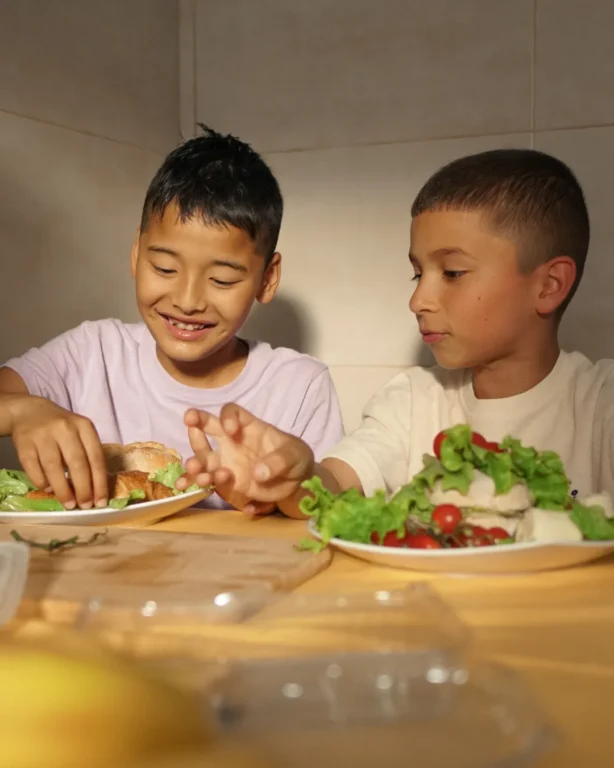
Holiday meals often include strong smells, new textures, and foods your child may not recognize. Instead of battling over bites, plan ahead.
Offer Familiar Foods:
Include at least two safe, familiar foods at every gathering. This reduces stress and ensures your child has something to enjoy.
Prepare for Sensory Sensitivities:
Some children struggle with:
- Strong smells
- Mixed textures
- Crunchy or mushy consistencies
- Temperature changes
Serve foods separately, not mixed, and allow your child to observe the meal before trying anything.
Support Emotional Regulation Throughout the Season
The holidays bring big emotions—excitement, overstimulation, anticipation, and sometimes fatigue. Your autism holiday toolkit should include emotional-regulation techniques to help your child manage these highs and lows.
Practice Deep Breathing or Grounding Exercises:
Make emotional regulation part of your daily routine so it becomes easier during stressful moments.
Create a “Holiday Feelings Chart”:
A chart helps your child identify emotions and choose coping tools. Include feelings like:
- Excited
- Nervous
- Overwhelmed
- Happy
- Frustrated
Then list tools such as breaks, headphones, or deep breathing.
Maintain Routines When Possible
While schedules may shift, try to preserve core routines such as:
- Bedtimes
- Morning rituals
- Screen-time rules
- Meal times
Keeping these consistent helps your child feel grounded even when the holidays feel unfamiliar.
When Support Is Needed, Reach Out Early
Parents do so much during the holiday season, and you don’t have to navigate it alone. If your child shows increased anxiety, sensory challenges, sleep struggles, or behavioral changes, ABA therapy can offer meaningful support.
UNIFI Autism Care provides compassionate, evidence-based ABA therapy that helps children build communication skills, reduce stress, and thrive during everyday and seasonal challenges. Our team partners with families to create personalized plans that strengthen growth and confidence—especially during transitional times like the holidays.
If you’re looking for support, guidance, or resources as you prepare for the season, we’re here to help.
Get ABA Support in Indiana Today
The holidays should be full of joy—not stress. If you want support navigating the season or improving your child’s daily skills, UNIFI Autism Care is accepting new patients across Indiana with no waitlist. Connect with our team today to schedule an intake or learn more about our ABA therapy services can help your child manage holiday stress with confidence and joy.
Or Call Us:
Similar Articles

ABA Therapy Center in Indianapolis: Choosing the Right Services
Choosing the right ABA therapy center in Indianapolis is one of the most important decisions a family can make after receiving an autism diagnosis. Because early and effective intervention...

ABA Therapy Parent Involvement in Indiana
Applied Behavior Analysis (ABA) therapy has proven to be one of the most effective approaches for children with autism. While professional therapists provide structured sessions, research and clinical experience...

What to Do After an Autism Diagnosis: A Parent’s Guide
When your child receives an autism diagnosis, it can feel overwhelming, emotional, and uncertain. You want answers, guidance, and reassurance that your child will thrive — and you’re not...